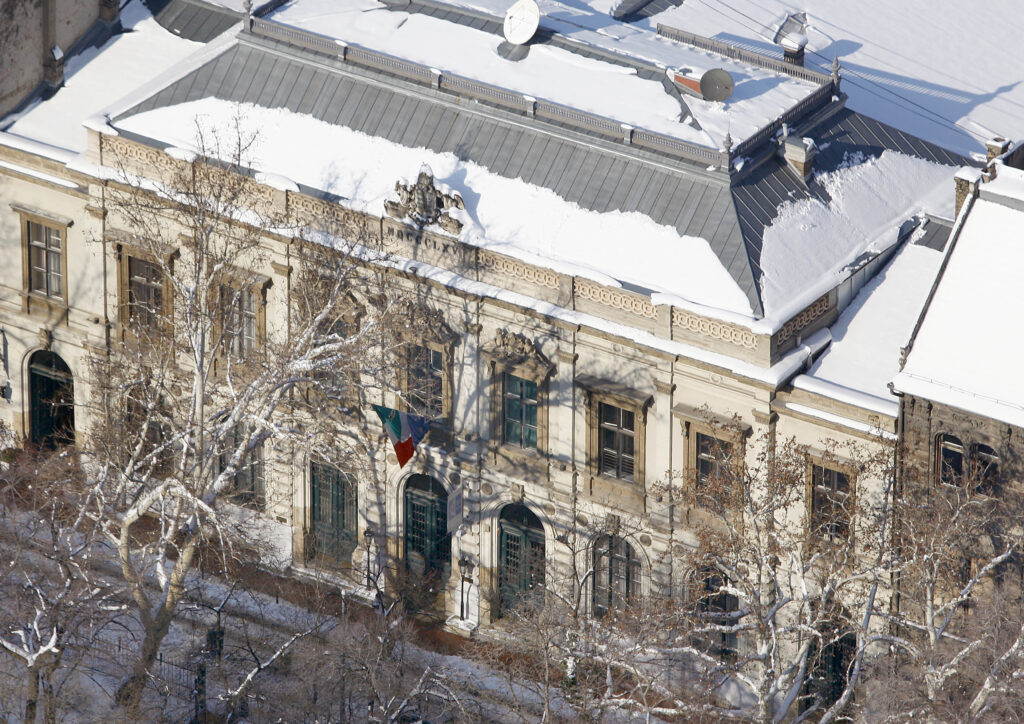
From a Hungarian House of Representatives to an island of Italy in the Palotanegyed
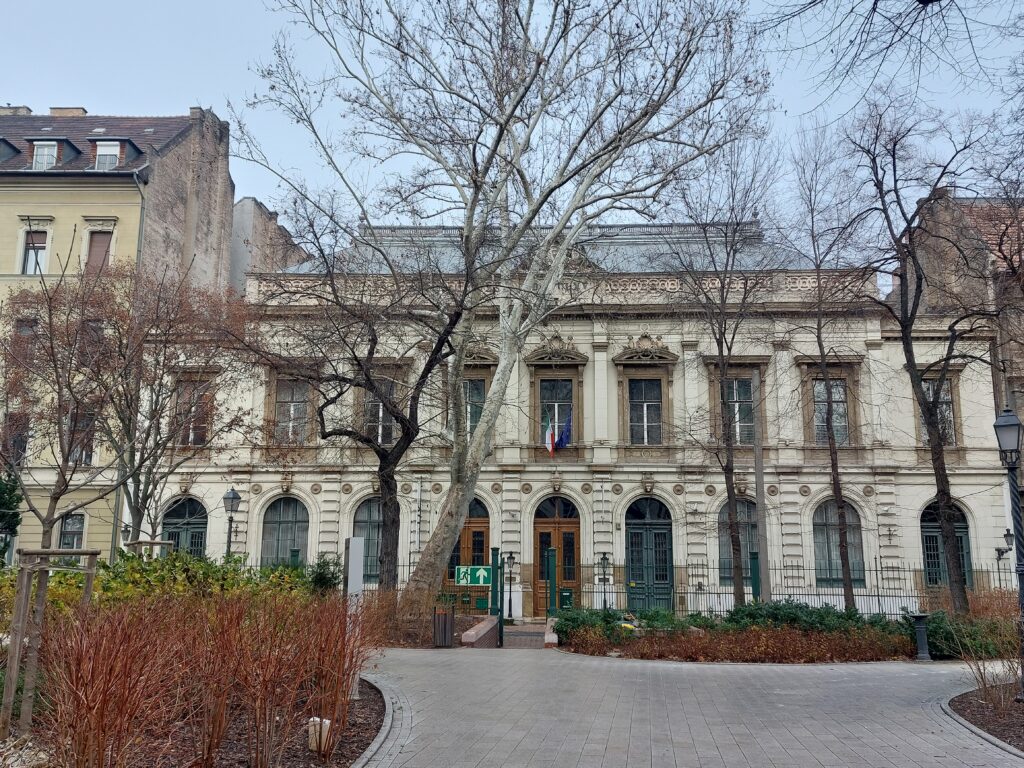
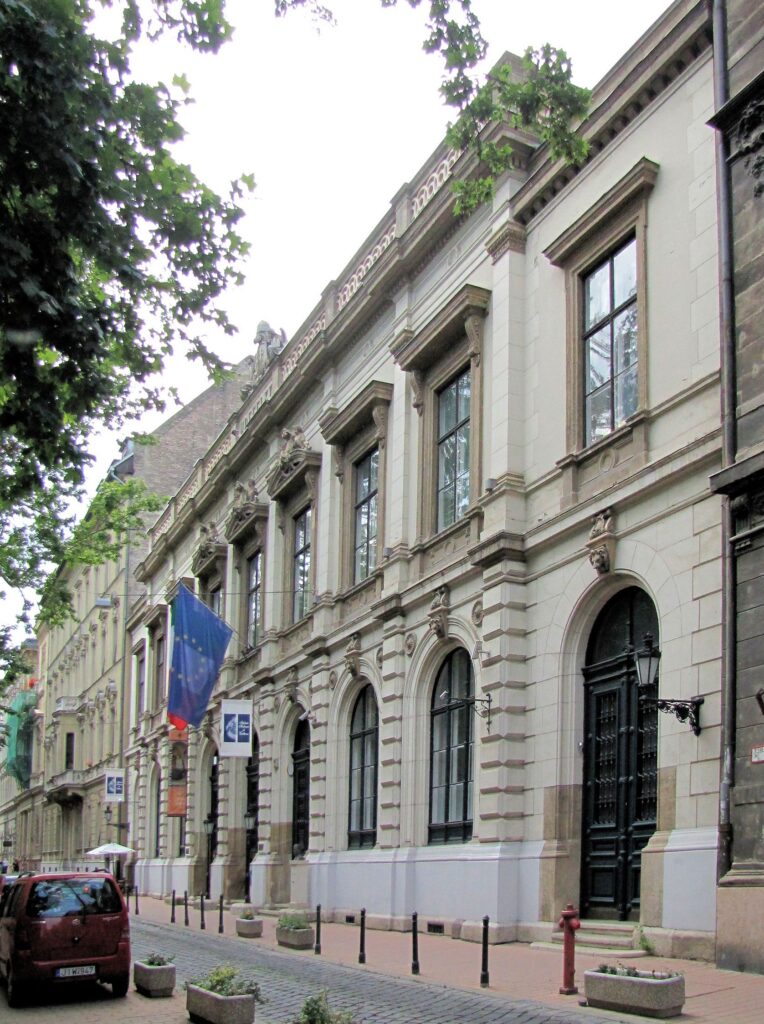
I look at this huge neo-Renaissance palace at number 8 Bródy Sándor utca, and suddenly I don't know whether I am still in Józsefváros (Budapest's 8th District) or whether the sultry night of Rome's Trastevere district swallowed me up long ago. From the windows, instead of the usual Józsefváros smog, the smell of freshly roasted espresso and garlicky pasta seeps out onto the Pest pavement. Something has changed here, and changed a lot.
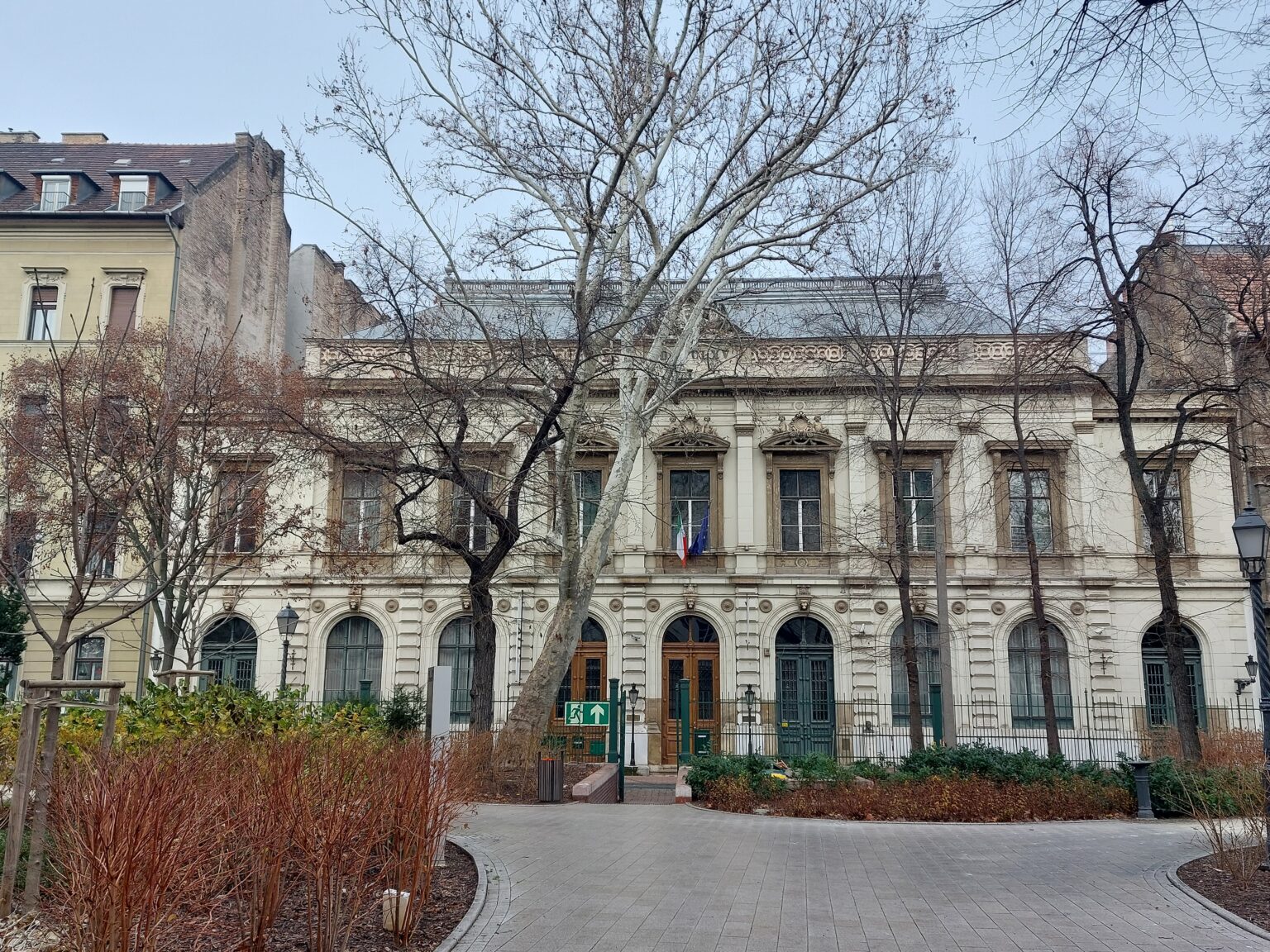 Fotó: Hujber Tünde / Wikimedia Commons (CC BY-SA 4.0)
This article was translated from Hungarian. The Hungarian original is the authoritative version. Read the original
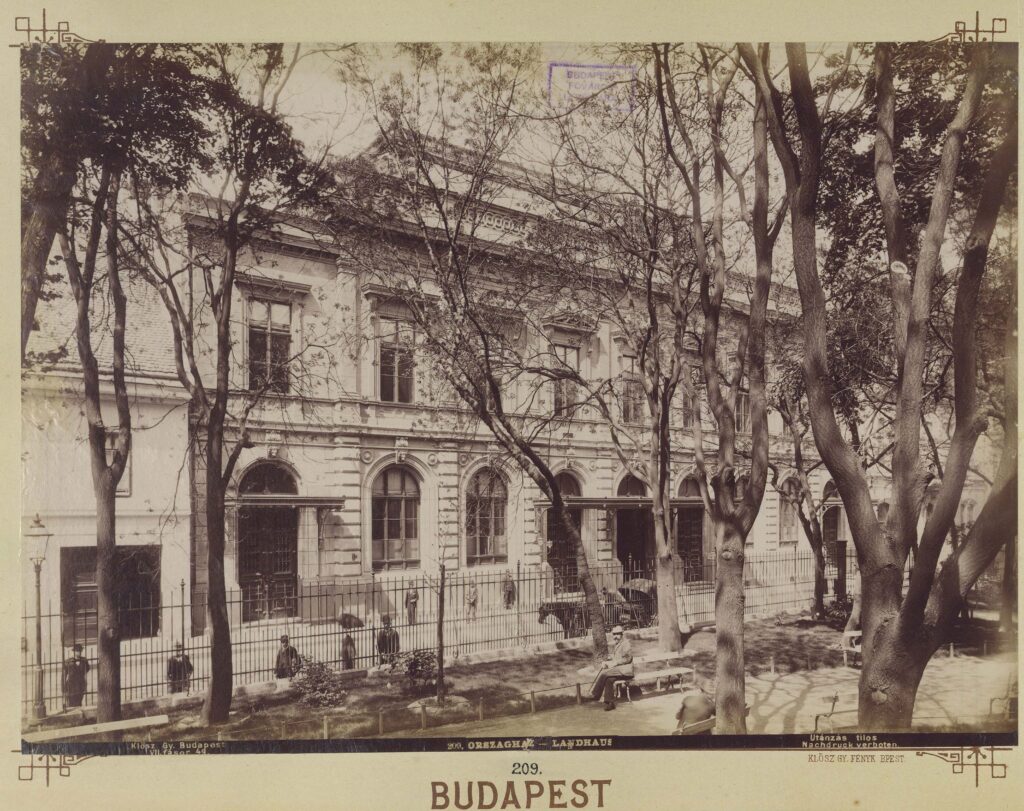
But if these walls could talk! Imagine that in this vast block, dreamed up by Miklós Ybl, it was once not silky Italian arias that echoed, but the most visceral dramas of Hungarian national politics. Between 1865 and 1902, the Hungarian House of Representatives sat here. Where members of the Pest elite now clink glasses of Tuscan red wine, Kálmán Tisza once thundered his views, and Kálmán Mikszáth took notes in the back rows on the latest escapades of the honourable members. Then history moved on, the politicians relocated to the neo-Gothic palace on the Danube bank, and the Italian state of the time, then allied in arms, laid its hands on the Józsefváros (Budapest’s 8th District) property through a shrewd diplomatic exchange in 1942, in order to turn it into the Budapest Italian Cultural Institute.
There has been no stopping since. The Italians did not set up some dusty, file-smelling office in the old parliament, but one of the hottest cultural springboards in Józsefváros. The government in Rome itself regards the Pest building as a prominent bastion, because they know exactly that Hungarians are genetically coded to adore Mediterranean ease, fashion and gastronomy. The directors of the day pull the strings in the background not as diplomats, but as true cultural impresarios.
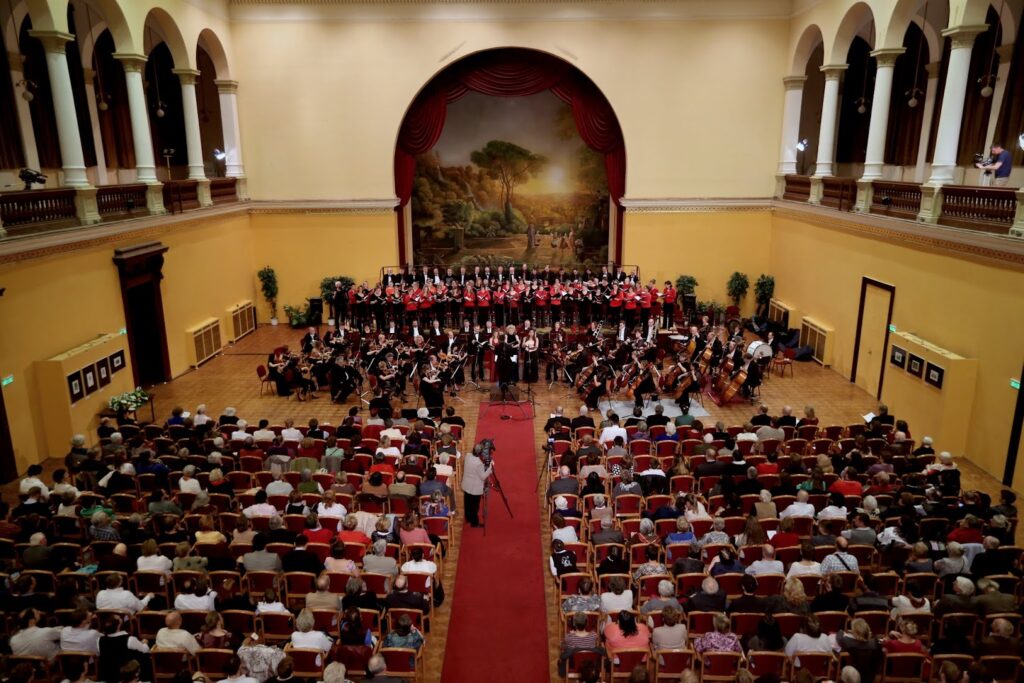
In the evenings, the red-upholstered Sala Verdi draws a crowd as if Parmesan were being given away for free. Their programme is no small-time affair, as there are premium language courses, where native-speaker teachers drum the tastiest Italian turns of phrase into the heads of Pest yuppies and culture-thirsty housewives.The cultural machine runs on a conveyor belt: from the gigantic Dante Festival to the World Week of the Italian Language, everything is here, and from theatre geniuses to the princes of contemporary Italian literature, almost everyone has passed through Bródy. On the screen, they offer exclusive Italian film weeks, concerts and contemporary photography exhibitions, after which the unsuspecting visitor would most like to buy a one-way WizzAir ticket to Naples right away…
This is exactly why Bródy Sándor utca 8 is a brilliant place. Because it has proved that a cold, dusty political past and the strict parliamentary benches can be replaced with a single elegant gesture by the purest Mediterranean pleasure, while guaranteeing, in the middle of Józsefváros, that for the length of a good espresso or an Italian film, we all believe a little that we too are entitled to the genuine dolce vita.