
The Triumph of Veal and Squid in Bródy Sándor utca
Today, the intellectual golden age of the Józsefváros (Budapest's 8th District) of old is recalled at most by the venerable buildings with their crumbling plaster.
This article was translated from Hungarian. The Hungarian original is the authoritative version. Read the original
For a considerable part of the district has by now been methodically trashed and has degenerated into a sad drug den inhabited by shady figures, where after dark one thinks twice about which gateway to hurry past. In this dispiriting Pest reality, the Palotanegyed functions as a peacetime enclave that is still relatively liveable.
Right within this enclave, in Bródy Sándor utca, lies a gastronomic oasis that thumbs its nose at the decadence of the outside world. Yugo Resto-Bar with noble simplicity puts the misery of the 8th district in brackets, and instead proclaims pure, genuine Bosnian cuisine and the mystery of charcoal smoke.
The master himself, István Váncsa, would surely hum with satisfaction within these walls, for he is the one who has for decades been drumming it into the idle citizens of Pest that gastronomy begins where the cook does not fiddle with the ingredients but pays them deep, almost religious respect. And the cuisine of Yugo follows precisely this Váncsa creed, disregarding the culinary mischief of the modern age.
The Balkan miracle born over the embers
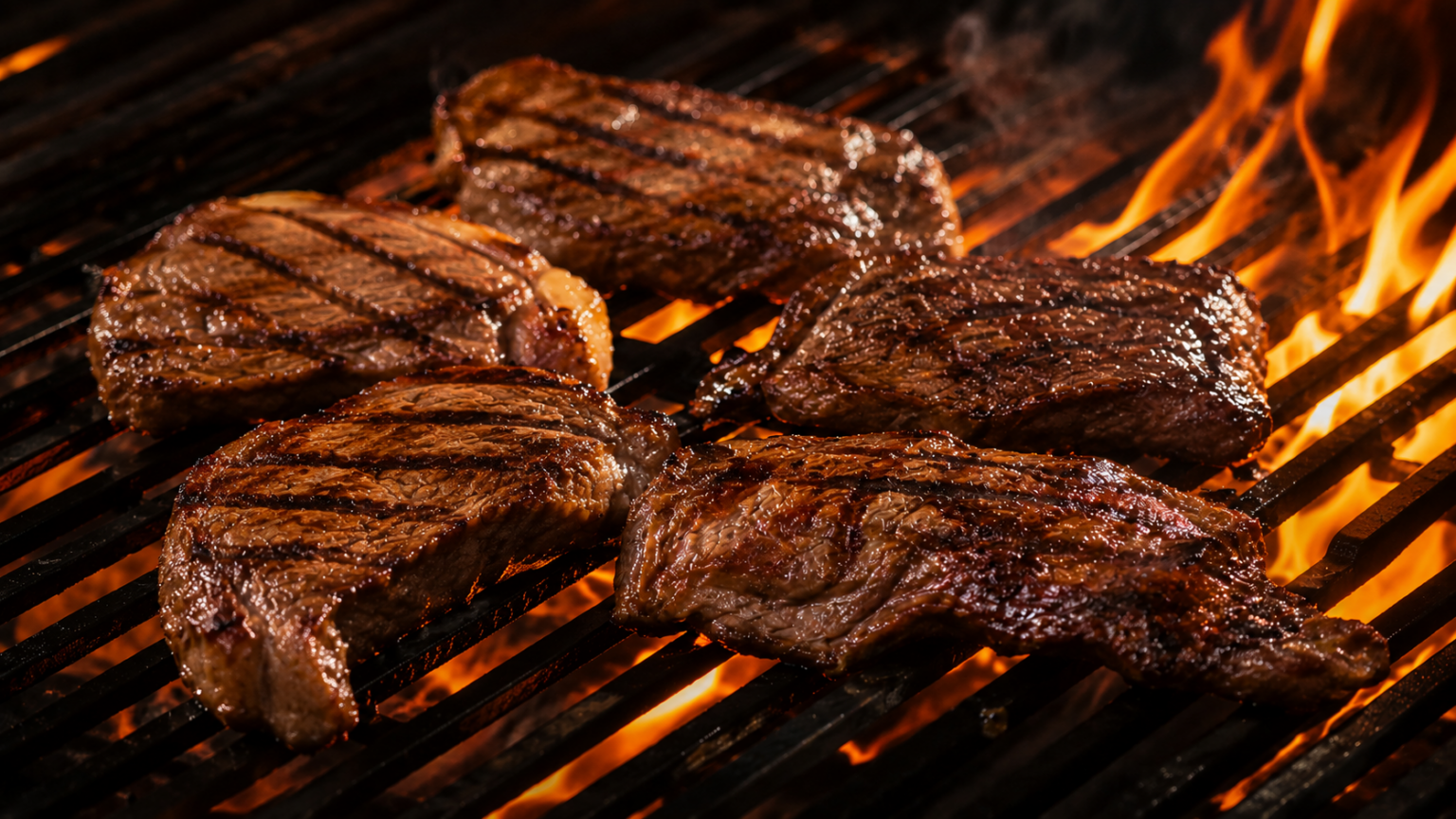
For what is ćevapčići in its pure, ontological essence? It is not some wretched mixture of trimmings of dubious origin, industrial waste and soy powder, such as commercial catering so shamelessly serves up to us. On the grill of Yugo, one hundred per cent pure veal takes shape over the embers, its texture exactly as springy, juicy and full of character as the old men wrote in the Sarajevo great book. The seasoning is not skimped on, but nor is it overdone: the salt and pepper are merely modest extras beside the honest, deep flavour of the meat, which the glowing, red embers of the charcoal raise to sacred heights.
Whoever longs for the real, heavyweight Balkan orgy, however, orders the Gurman Pljeskavica, and with that immediately surrenders to pure hedonism. This imposing 250-gram meat patty is formed from noble veal, but melting cheese, delicately crunchy, salty bacon and a breath of chilli that just barely caresses the tongue are smuggled into its middle. Seared together on the grill, this composition melts into a single flowing, juicy whole. The whole thing is nestled into a Balkan flatbread baked on the spot and rich in aroma, which soaks up the juices of the meat like a sponge. Váncsa would probably devote a separate chapter to the texture of this flatbread, which carries at once nomadic simplicity and the pinnacle of the baker’s craft.
Seaside nostalgia: in praise of squid
But Balkan cuisine does not stop at the ritual sacrifice of land animals. On the menu there is also the dish that gourmets simply refer to as lignje. It was about this garlicky, sea-scented squid that Iván Bächer, too, wrote in the pages of Népszabadság with such moving beauty, when he poured his Dalmatian seaside experiences, the salty breeze and the sizzling iron plates on the stone-paved squares into unforgettable feuilletons.
At Yugo this squid, fried until crisp, arrives with homemade aioli, and it evokes precisely that peacetime, Adriatic nostalgia that Bächer was able to sing of so delicately. The flesh of the squid here is soft and by no chance reminds one of the chewy rubber tubes familiar from Hungarian snack bars; it is exactly as firm as the freshness of the sea demands.
Kajmak, ajvar and the redeeming rakija
Of course, the composition would be worth nothing without the obligatory accompaniments. The kajmak piled beside the meats and the seafood – this salty, silkily fatty, creamy cheese speciality – slowly melts onto the hot grill, forming a creamy bridge between the dishes and the fresh, crunchy onion. If we add to this the deep red, thick ajvar made from roast kápia peppers and the refreshing shopska salad sprinkled with salty Macedonian cheese, the perfect balance is achieved on the plate.
After the heavy, gristly orgy of meat and the seafaring adventure, the stomach of the Pest city dweller inevitably cries out for salvation. This is what the venue’s serious rakija selection is for, whose biting yet fruity purity puts a person right at once. Yugo does not want to save anyone, but in this decaying district (Budapest’s 8th District) it is able to offer an authentic, no-frills refuge where gastronomy is still not about marketing, but about the eternal symbiosis of meat, sea and fire.
(Image source: Yugo Resto-Bar Facebook page + AI editing)